

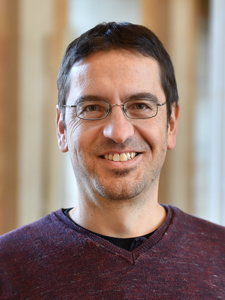
Gregor Bucher |
During my studies at the LMU Munich I became interested in how evolutionary changes of development influence the evolution of animals and in my PhD studied the evolution of gap genes in the red flour beetle. My research group in Göttingen has been studying the genetic control and the evolution of head and brain. In parallel, we enhance the application of RNAi in eco-friendly pest control. I have been leading the genome wide iBeetle RNAi screen and the establishment of iBeetle-Base, which makes Tribolium one of the leading insect models for gene function research. Currently, I am leading the DFG Research Training Group GönomiX, where we study the anterior gene regulatory network in many protostome clades and we develop EMOBase, a database for emerging model organisms. |
| |
 |
Dr. Vera Terblanche (née Hunnekuhl) is heading an independent research group working on the evolution of neuroendocrine systems. She established Tribolium as model system for neuroendocrine research and has been developing tools for tissue specific genome editing. |
| |
Postdocs:
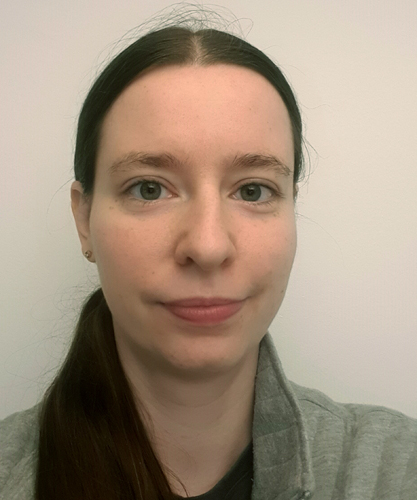 |
Dr. Christine Mau is interested in tracing the evolution of homologous neurons of the brain using single cell sequencing of transcripts and open chromatin. She is focusing on the mushroom bodies. |
| | |
 |
Dr. Salim Hakeemi wants to find out, how dsRNA is imported into cells in order to find ways enhancing RNAi-mediated pest control. |
| | |
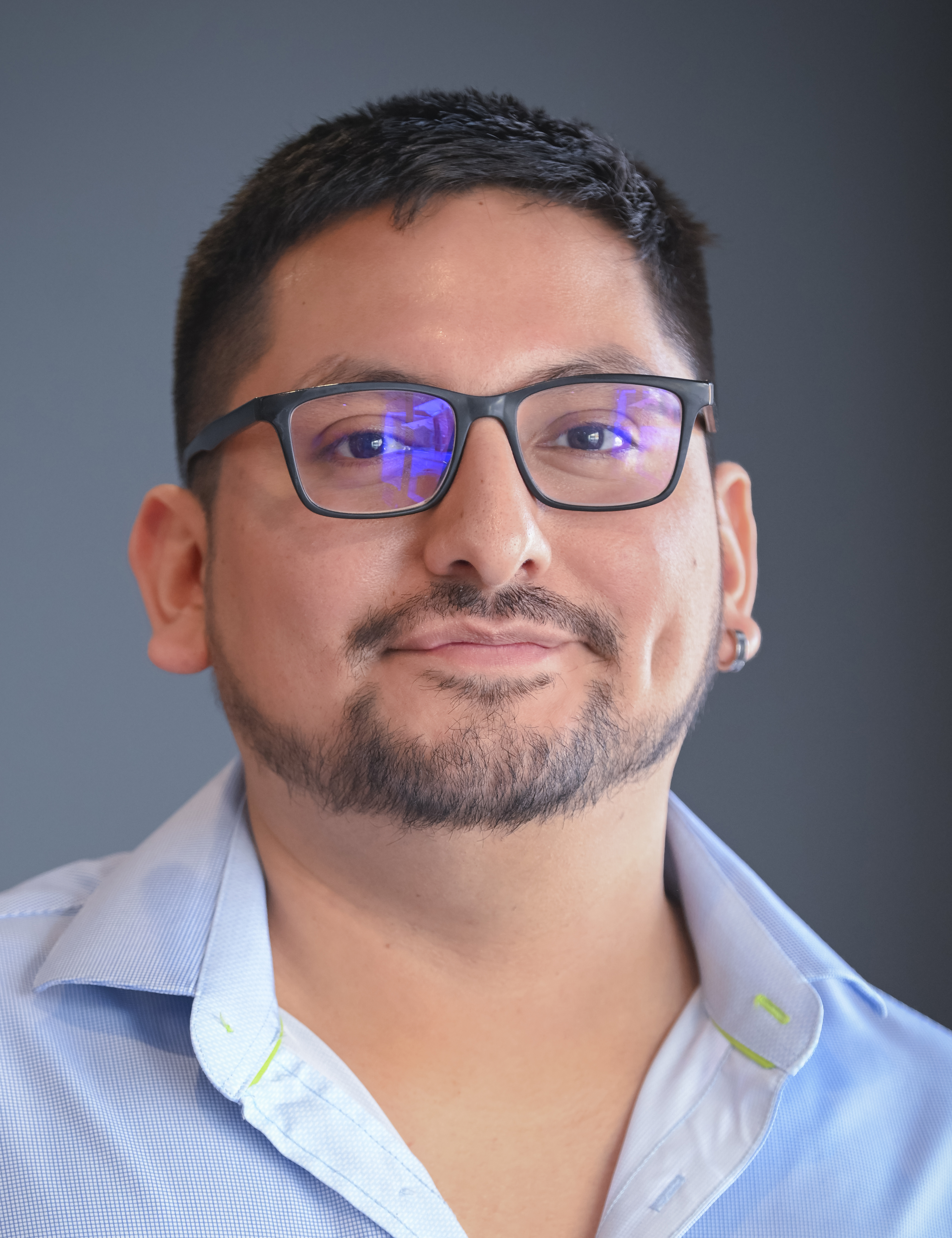 |
Dr. Johnny Davila-Sandoval is leading our effort to analyze gene regulatory networks across clades within the GönomiX project. |
| |
PhD students:
 |
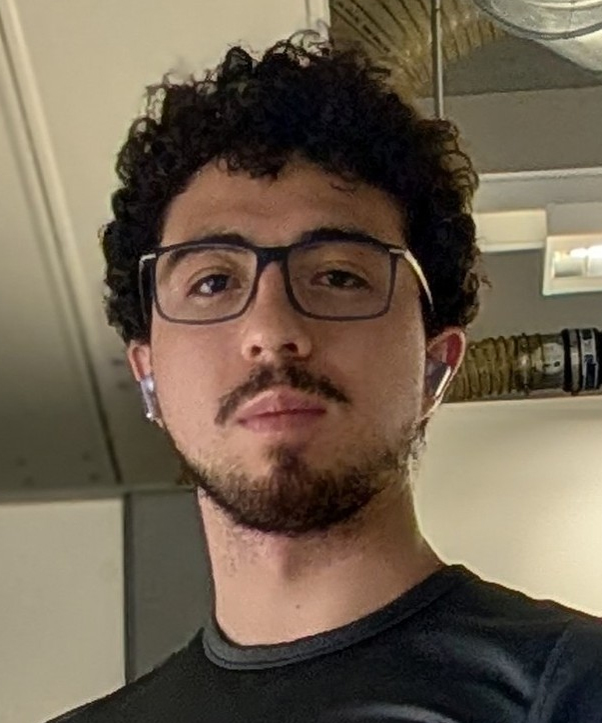
Lena Reim is looking for genes that show signs of evolution during the emergence of holometabolous insects and tests for their functions during development. Further, she tries to drive Cas9 to the germline. The work is done in collaboration with Mario Stanke within the SPP GEvol. |
 |
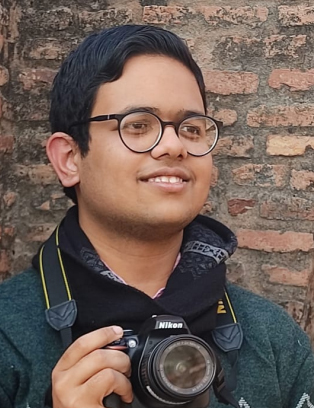
Kevin Castillo Mendieta is intersted in the microevolutionary changes of the anterior GRN trying to understand how the knock-down of the same gene can lead to different phenotypes. He also plans to develop tools to restrict RNAi to certain tissues. |
 |
Aritra Bandyopadhyay wants to understand, if and how alternative splicing was involved in the formation of two brains (larval and adult) from one genome. His insect wide view on alternative splicing is supported by Mario Stanke within the SPP GEvol. |
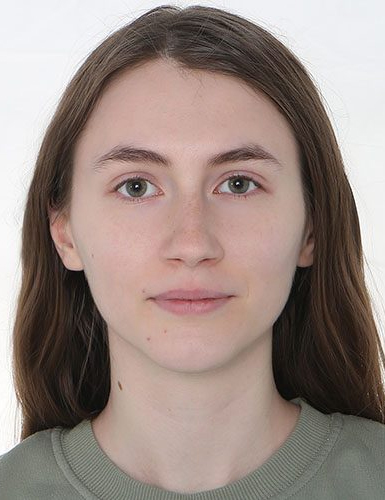 |
Sibora Teta wants to image the dynamics of the Wnt pathway in axis formation in vivo and tries to understand the direct and indirect targets of Wnt signalling that specify head versus tail. |
 |
Guest student Isabella Schindelhauer is member of the lab of Marieke Oudelaar (MPI Freiburg) with co-supervision from our lab. Isabella is interested in evolutionary changes of 3D chromatin organization during development and its influence on gene regulatory elements in Triboliumm. |
Without them, nothing would work:
 |
Claudia Hinners is a specialist for molecular experiments and helps with several projects in the lab. Moreover, she keeps an eye on our stock, clone and probe collections. |
 |
Marina Cziesielsky supports the department in all the administrative and organizational respects. |
Former postdocs and PhD students
Please find details on the contribution and career of former lab members here.